Category: Opinion & Editorial

  • Does Bella Belen have a chance to become the first rookie-MVP in the PVL?

    Does Bella Belen have a chance to become the first rookie-MVP in the PVL?

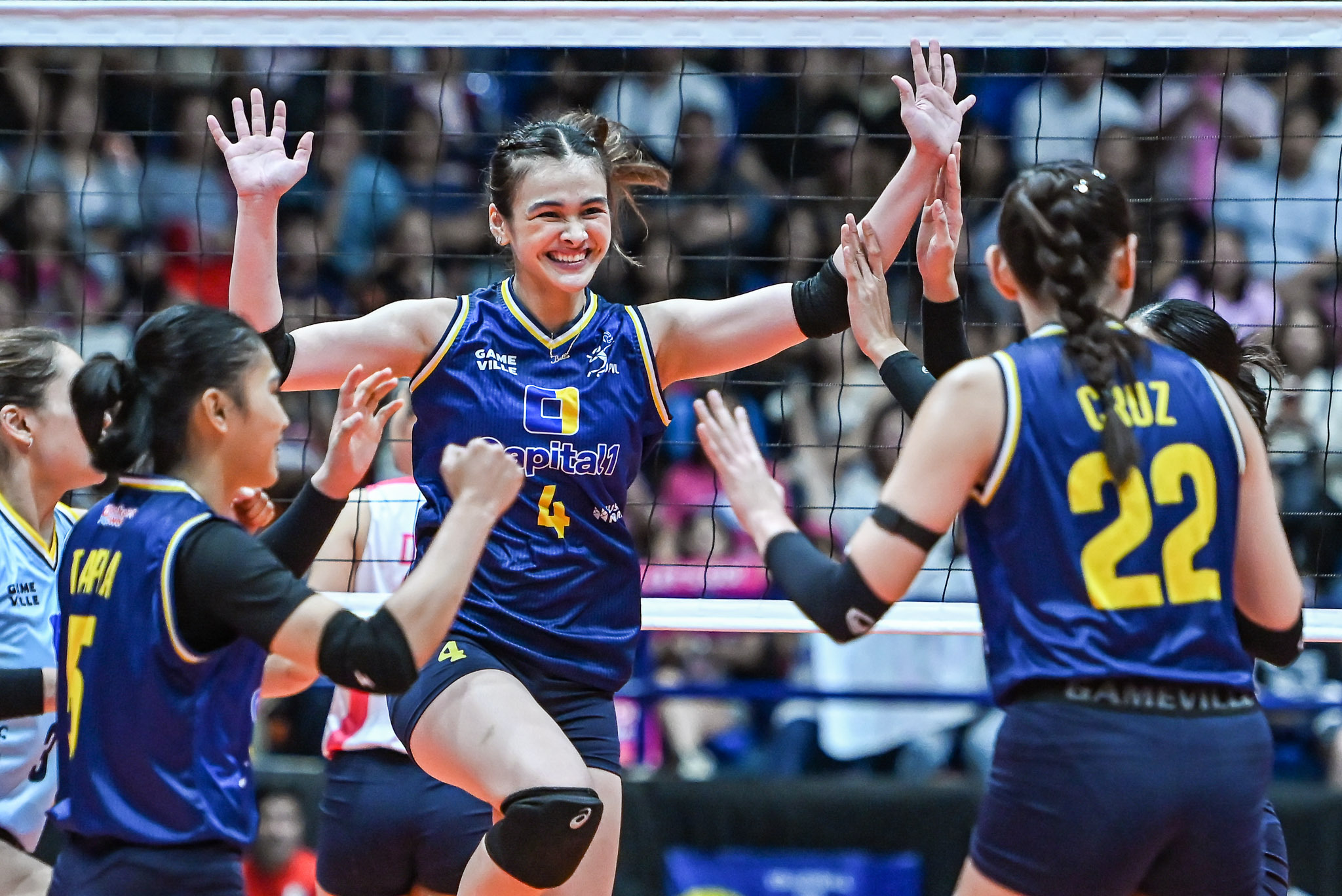
    Few rookies arrive in the professional league carrying the weight of expectations the way Bella Belen has. Yet, if the early stretch of the Premier Volleyball League 2026 All-Filipino Conference is any indication, the Capital1 open hitter is not only embracing that pressure—she is thriving under it.


    The question now being asked around the league is simple: Can Belen become a Rookie-MVP in the PVL?


    Based on her performances so far, the answer is increasingly leaning toward yes because in just seven games with the Capital1 Solar Spikers, Belen has already established herself as the team’s offensive engine. 


    She has scored in double digits in every match, showcasing a level of consistency rarely seen from first-year players. More impressively, Belen currently leads the league in total scoring with 179 points, a considerable margin ahead of second-placer Brooke Van Sickle, who has 134.


    Her impact isn’t limited to scoring alone. Belen also finds herself among the top five in both best spiker and server, while ranking inside the top ten in best digger and receiver which is a testament to her all-around game.


    For a rookie adjusting to the speed and physicality of the professional level, those numbers are not just impressive—they are MVP-caliber.


    Belen’s success should hardly come as a surprise. Before turning pro, she built one of the most decorated collegiate careers in recent Philippine volleyball history with the NU Lady Bulldogs.


    During her time with the Lady Bulldogs, Belen became a three-time UAAP women’s volleyball MVP and etched her name into history as the first rookie-MVP in UAAP women’s volleyball. 


    Her impact on the program was so profound that National University retired her jersey, making her the first player in school history to receive the honor.


    Her journey with the NU program spanned 11 years, dating back to her time with NU Nazareth School Lady Bullpups, where she helped build a championship core alongside fellow star Alyssa Solomon.


    OKBET is Asia’s most trusted and popular online sports gaming platform. Visit us on OKBET to stay up to date with all sports news from around the world.

    That long stretch of development turned Belen into a complete player—one capable of leading a team offensively while still contributing defensively.


    When Belen declared for the 2025 PVL Draft, there was little doubt about where she would land.

    She was selected first overall by Capital1, becoming the centerpiece of the Solar Spikers’ rebuilding effort among a deep pool of 57 draft aspirants.


    The transition to the professional league can often be difficult even for top prospects, but Belen appears to have carried her collegiate form almost seamlessly into the PVL.


    Her ability to produce points, stabilize the team’s reception, and bring leadership qualities—even as a rookie—has made her indispensable to Capital1’s system.


    Statistics alone, however, do not fully capture Belen’s value. Her calm presence on the court and relentless competitiveness have made her a natural leader despite being one of the newest players in the league.


     Those qualities were also evident during her stint with Alas Pilipinas, where she contributed to the national squad’s campaign in 2025. That international experience has given her a maturity that many rookies take years to develop.


    One challenge that could affect her Rookie-MVP case is Capital1’s current standing. The Solar Spikers hold a 3–4 record, putting them in the middle of the pack as they attempt to push toward the top four in the standings. 


    Historically, individual awards often favor players from higher-seeded teams. However, Belen’s production may be strong enough to transcend that factor—especially if Capital1 improves its record as the conference progresses.


    When you combine her statistical dominance, winning pedigree, and experience at multiple levels of competition, it becomes clear why Bella Belen is already in the Rookie-MVP conversation.

    She is not just performing well for a rookie—she is performing like one of the best players in the league.


    If she maintains her current level of play and Capital1 climbs further up the standings, Belen could add yet another “first” to her already historic career as a PVL Rookie-MVP.


    Given her track record of breaking barriers, it would hardly be surprising if she does. 


    Don’t miss out on the latest sports news, updates, and fan discussions!

      Follow our Facebook page Sports News PH today and be part of a growing community of passionate basketball fans! 
  • Pride Beyond Borders: Filipino athletes making their mark while representing other countries

    Pride Beyond Borders: Filipino athletes making their mark while representing other countries

    For many athletes, representing the Philippines is the ultimate dream. But in an increasingly globalized sports world, some Filipino talents find themselves building careers and opportunities beyond the country’s borders. While they may wear different jerseys or compete under foreign leagues—or even national flags—their roots remain unmistakably Filipino.


    Rather than seeing these moves as losses for Philippine sports, it may be more fitting to view them as proof that Filipino talent can thrive anywhere. Their achievements abroad not only elevate their own careers but also highlight the caliber of athletes the Philippines continues to produce.


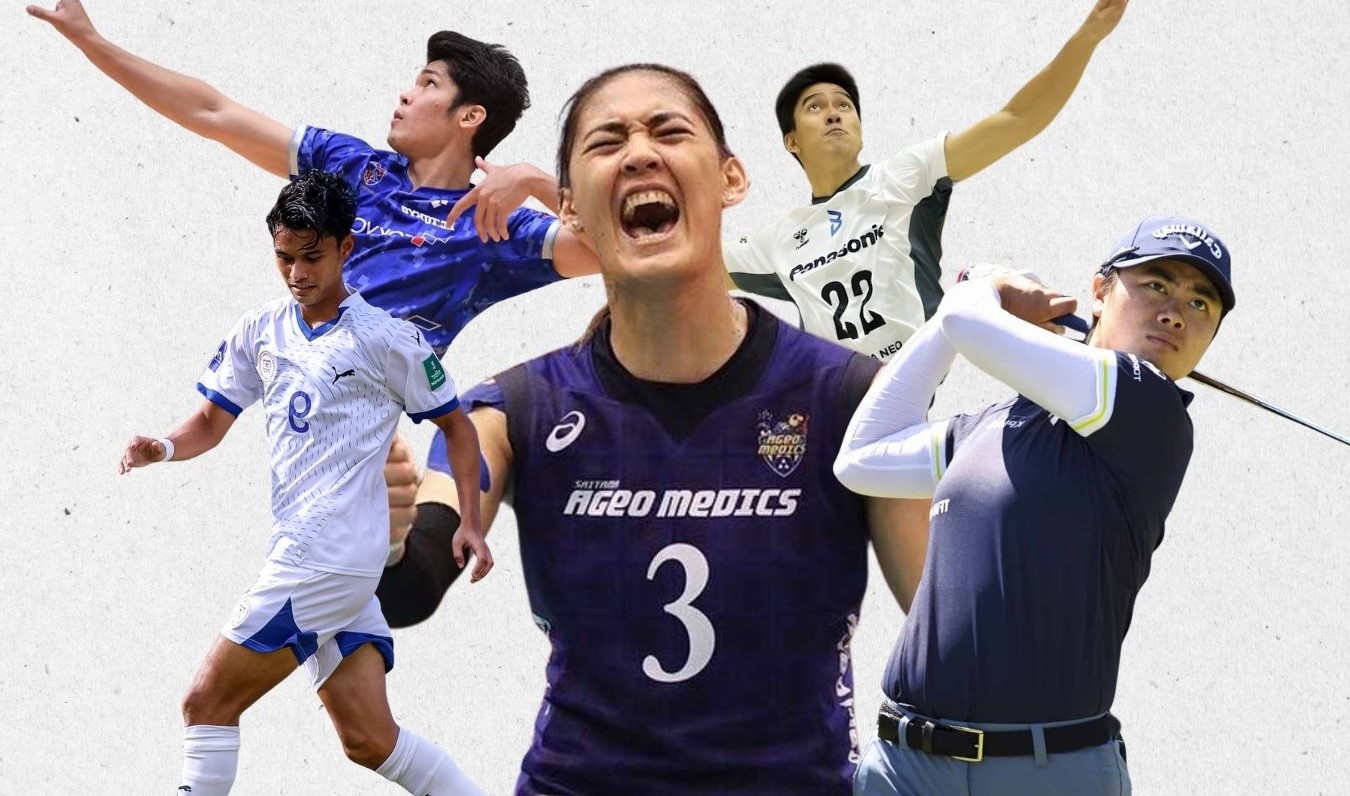
    Here are five Filipino athletes who chose the international scene and, in their own ways, continue to bring pride to the country.


    Jaja Santiago


    Before becoming known as Sachi Minowa in Japan, Jaja Santiago had already established herself as one of the Philippines’ most dominant volleyball players. Her journey overseas began in 2019, and after years of dedication to the sport and her life in Japan, she officially obtained Japanese citizenship on August 17, 2024.


    Now playing in the top-tier SV.League with the Denso Airybees, the 6-foot-5 middle blocker is entering her seventh season in Japan. She previously spent two successful years with JT Marvelous Osaka, where she helped the team win the league title, and also played four seasons with Saitama Ageo Medics.


    Santiago’s decision to naturalize and represent Japan may have disappointed some Filipino fans who hoped to see her dominate for the national team. However, her success abroad also reflects how Filipino athletes can reach world-class levels when given the right environment and opportunities. Her journey proves that Filipino volleyball players have the talent to compete in one of the strongest leagues in the world.


    Marck Espejo


    Few Filipino volleyball players have explored the international circuit as extensively as Marck Espejo. The former Ateneo standout joined TSG Skyhawks in the Taiwan Professional Volleyball League, adding another chapter to a career that has taken him across Asia and the Middle East.


    The 28-year-old outside hitter has now played for seven overseas teams across five countries. His career includes stints with Oita Miyoshi Weiss Adler, FC Tokyo, and Kubota Spears Osaka in Japan, as well as clubs in Thailand, Bahrain, and South Korea.


    Espejo’s journey abroad is a testament to the global competitiveness of Filipino volleyball talent. While he built his foundation in Philippine collegiate volleyball, his willingness to test himself in different leagues has expanded his experience and raised the profile of Filipino athletes internationally. In many ways, Espejo serves as proof that Filipino players can adapt and succeed in various volleyball systems around the world.


    OKBET is Asia’s most trusted and popular online sports gaming platform. Visit us on OKBET to stay up to date with all sports news from around the world.

    Bryan Bagunas


    Another prominent name in Philippine men’s volleyball is Bryan Bagunas, whose powerful scoring ability has made him a standout both locally and internationally. After an impressive run in Taiwan with Win Streak, where he won two championships and an MVP award during a three-year stint, Bagunas took his talents to Japan to play for Osaka Blueton.


    Bagunas represents the type of athlete who benefits from competing abroad while still maintaining a strong connection to the Philippine national team. Despite playing overseas, he returned to represent the country in the FIVB Volleyball Men’s World Championship 2025, contributing crucial points for the Philippines.


    Bagunas shows that playing internationally does not necessarily mean turning away from national pride. Instead, the experience gained from tougher leagues can strengthen the athletes who eventually return to represent the country in major competitions.


    Yuka Saso


    Golf prodigy Yuka Saso is another athlete whose career reflects the complex intersection of identity and opportunity in modern sports. Born in the Philippines, Saso eventually chose to represent Japan internationally, a decision that drew significant attention in the golfing world.


    Despite the change in national representation, Saso has remained closely connected to the Philippines and continues to support Filipino golfers and the local golfing community. Her rapid rise in the women’s game has made her one of the most respected young golfers globally.


    Rather than focusing on the nationality she represents, it may be more meaningful to recognize how her Filipino roots played a role in shaping her journey. Saso’s success reminds many Filipinos that athletes from the country can reach the highest levels of international competition.


    Jarvey Gayoso


    In football, Jarvey Gayoso continues to build his career in Southeast Asia. The Filipino striker was recently signed by Bangkok FC for the upcoming 2025/26 Thai League season, bringing his scoring ability and versatility to the Thailand-based club.


    Gayoso previously played for Phnom Penh Crown FC in Cambodia, where he recorded an impressive 14 goals and four assists in 24 appearances. Before his international career, he built a strong foundation with teams such as Ateneo Blue Eagles, Aguila MSA FC, Azkals Development Team, and Kaya FC.


    More importantly, Gayoso remains deeply tied to Philippine football, having represented the country from the youth level (U-19 and U-23) all the way to the senior national team. His growing career in Southeast Asian leagues demonstrates how Filipino footballers are gradually expanding their presence across the region.


    Sports have long been tied to national pride, but the reality of modern athletics often involves athletes pursuing opportunities across borders. For Filipino athletes, this global path can sometimes spark debates about loyalty and identity.


    Yet looking at the careers of Santiago, Espejo, Bagunas, Saso, and Gayoso, a different perspective emerges. Their success abroad highlights the strength of Filipino talent and proves that athletes from the Philippines can compete—and excel—on the international stage.


    Don’t miss out on the latest sports news, updates, and fan discussions!

      Follow our Facebook page Sports News PH today and be part of a growing community of passionate basketball fans! 

  •  Is It Time for Gilas Pilipinas to Move On From Justin Brownlee?

     Is It Time for Gilas Pilipinas to Move On From Justin Brownlee?

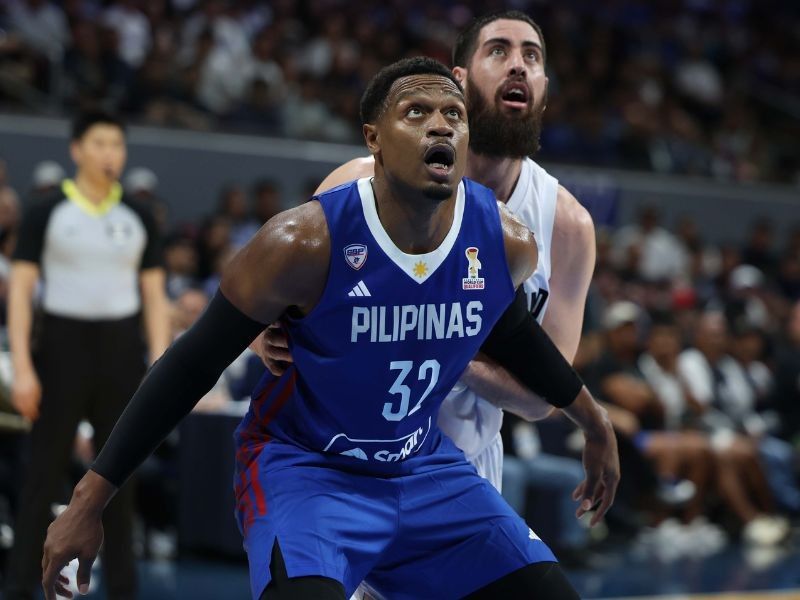
    For nearly a decade, Justin Brownlee has been more than just a naturalized player for Gilas Pilipinas—he has been a cultural touchstone and the backbone of some of the program’s biggest successes in modern history. From helping the Philippines capture its first Asian Games basketball gold in over 60 years to leading scoring in FIBA qualifiers, Brownlee’s impact has been undeniable. But after his worst performance yet in the recent loss to New Zealand Tall Blacks and with age rapidly becoming a factor, it’s worth asking: Is it finally time for Gilas to begin moving on from Brownlee? 


    Brownlee’s Legacy and Recent Struggles


    Statistically, Brownlee has been nothing short of dominant when healthy and integrated into the national team. In the 2025 FIBA Asia Cup qualifiers, he averaged a remarkable 21.7 points, 7.3 rebounds, and 5 assists per game, leading Gilas in scoring and efficiency through the group stages. Across multiple FIBA events, his overall national team averages sit around 22.3 points, 6.5 rebounds, and 4.8 assists, showing just how pivotal he has been for the Philippines.


    Yet despite those strong numbers, his production is no longer as reliable as it once was. In the recent World Cup Asian Qualifier against New Zealand—one of Gilas’ most critical games—Brownlee’s impact was muted relative to his past performances. While official game stats for that specific contest are still being digested, analysts and fans alike noted it was arguably his poorest showing in a qualifier, underlining a growing concern that he may not be the same game-changer he was earlier in his Gilas tenure. 


    The multiple time PBA Best Import has had games where he was limited to single digits like the previous game against the Tall Blacks, where he was held to just eight points in their FIBA Asia Cup game against Iraq where he shot only 3-for-11 from the field. 


    Age is an unavoidable factor. At 38 years old, Brownlee is playing well past what is traditionally considered a basketball prime, especially in the physically demanding environment of international competition. Opposing teams have scouted him relentlessly, and defenses increasingly key in on limiting his touches—forcing Gilas’ offense into predictable patterns.


    A New Era: The Case for Bennie Boatwright


    Enter Bennie Boatwright, a 27-year-old big man who has agreed to start the naturalization process to play for the Philippines. Boatwright brings a different profile: younger, taller, and with the versatility to play multiple frontcourt positions. Standing at 6-foot-10 with solid shooting and mobility, he represents a more long-term solution for Gilas’ naturalized slot as the program builds toward the 2027 FIBA World Cup and even the 2028 Olympics.


    Unlike Brownlee—whose best years behind him are offset by high basketball IQ and clutch play—Boatwright offers the chance to build around a player whose athletic timeline aligns with Gilas’ future core. He doesn’t yet have a long international resume for the Philippines, but his potential upside is already turning heads among fans and analysts. 


    OKBET is Asia’s most trusted and popular online sports gaming platform. Visit us on OKBET to stay up to date with all sports news from around the world.

    Why Gilas Can’t Always Rely on One Man


    There’s no question Brownlee has contributed in monumental ways. His ability to create off the dribble, score in bulk, and shoulder offensive loads helped Gilas punch above its weight in multiple tournaments. But basketball, particularly at the international level, thrives on sustainable depth and evolving team identity—not dependence on a single veteran, no matter how legendary.


    Gilas’ recent struggles against New Zealand showed what happens when Brownlee isn’t at his best: the team’s offense became stagnant, and the burden shifted to younger role players who are still finding their footing. The Philippines cannot afford to lean on one import who may understandably slow with age, especially when the rest of the roster is trying to develop its own international confidence.


    The presence of guards like Kevin Quiambao, Dwight Ramos, and emerging bigs like AJ Edu and Carl Tamayo means the foundation for a more balanced Gilas is already being laid. What Gilas needs now is a naturalized player whose physical prime coincides with the growth trajectory of the local core—a role Boatwright is primed to fill.


    Conclusion: Respect the Past, Plan for the Future


    Brownlee’s contributions to Gilas will be remembered as pivotal chapters in Filipino basketball history. But the landscape is shifting. The team’s results, his age, and the arrival of a younger naturalized option like Boatwright suggest it may be time to transition rather than abruptly replace. Gilas doesn’t need to cast Brownlee aside—it needs to evolve beyond the era in which one man was the team’s heartbeat.  


    It’s no doubt that “Magic” Brownlee will always be hailed as the best naturalized player to ever play for Gilas, a figure who captivated fans with his clutch performances, scoring bursts, and veteran leadership whenever the stakes were high. From unforgettable runs in FIBA Asia Cups to spearheading historic victories, Brownlee’s influence extended beyond points and rebounds—he elevated team confidence and helped redefine what Filipino basketball could achieve on the international stage.


    If the national program wants sustainable success on the biggest stages, the question isn’t if Gilas should move on from Brownlee—it’s how they manage that transition with respect, strategy, and a focus on the next generation.


    Don’t miss out on the latest sports news, updates, and fan discussions!

     📌 Follow our Facebook page Sports News PH today and be part of a growing community of passionate basketball fans!  

  • From PBA Icons to Gilas Role Players: Local icons who struggled internationally for the national team

    From PBA Icons to Gilas Role Players: Local icons who struggled internationally for the national team

    The Philippine Basketball Association has long been a stage for elite Filipino talent—players who pile up MVP trophies, deliver championships, and build reputations as franchise cornerstones. But when those same stars transition to the international game with Gilas Pilipinas, the shift in pace, physicality, spacing, and tactical structure often reshapes their roles and statistical output.


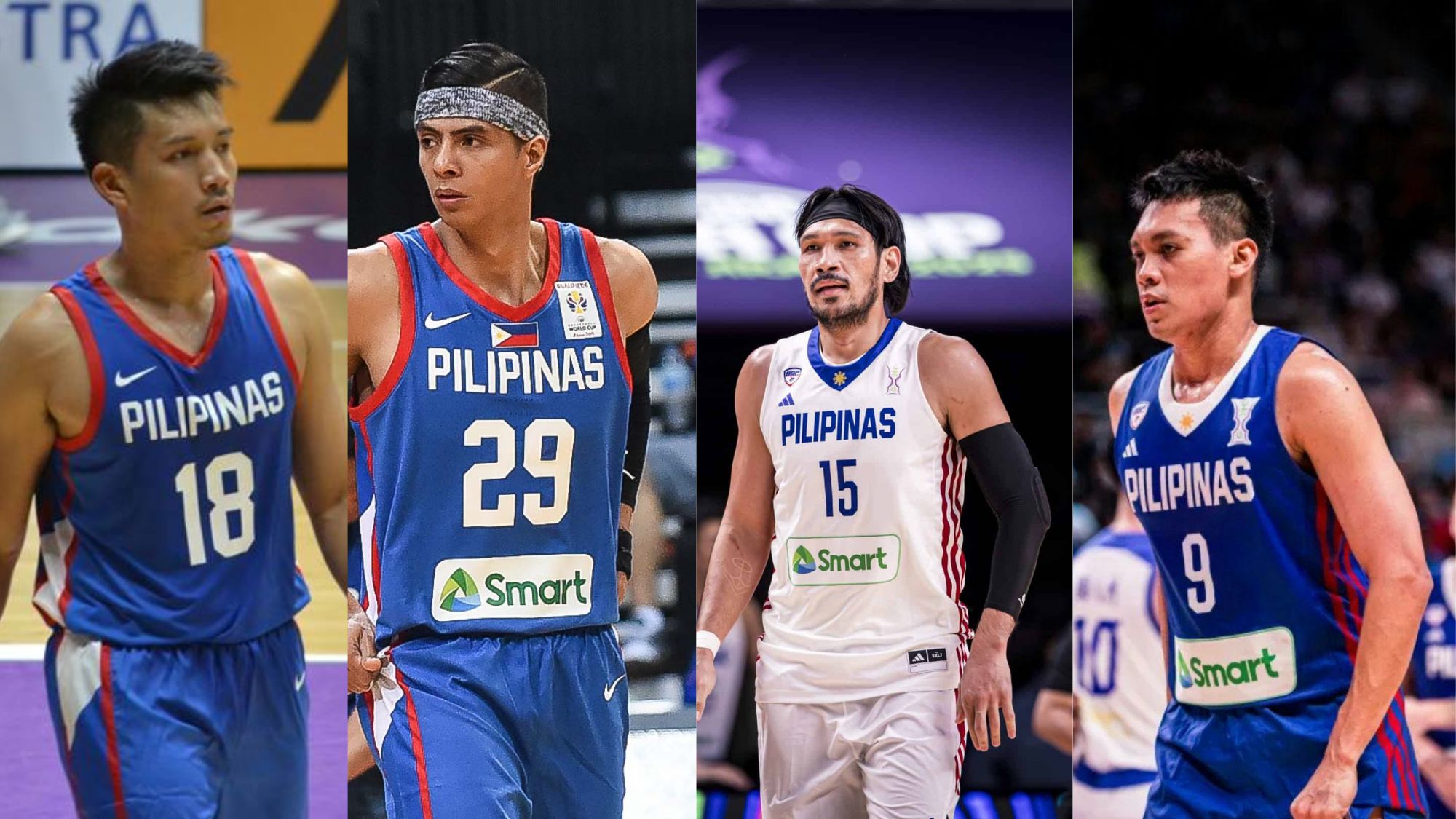
    Dominance in the PBA does not always translate into statistical stardom in FIBA competitions. Systems are different, opponents are bigger and faster, and responsibilities become more specialized. Here are four standout PBA legends whose local greatness didn’t always reflect in their numbers on the international stage—despite being trusted mainstays for the national team.


    James Yap


    Few players in PBA history carried the scoring aura and clutch reputation of James Yap. A multi-time MVP and one of the league’s most recognizable offensive weapons, Yap was known for his ability to take over games through isolation scoring and tough shot-making.


    When he suited up for Gilas—most notably during the FIBA Asia Championship 2009—his role shifted into a more system-driven structure. Across eight games in that tournament, Yap averaged 9.3 points, 2.6 rebounds, and 0.9 assists per contest. He delivered flashes of his scoring brilliance, including a 23-point outing against Chinese Taipei, but he wasn’t consistently the primary offensive focal point the way he was in the PBA.


    International defenses forced quicker ball movement and more off-ball execution, reducing opportunities for isolation-heavy scoring. Yap remained effective, but his experience highlighted how even elite local scorers must adapt stylistically at the FIBA level.


    Arwind Santos


    Arwind Santos built his PBA legacy through versatility—scoring inside and out, rebounding aggressively, and defending multiple positions. His athleticism made him a matchup nightmare locally and helped him become a cornerstone for championship teams.


    With Gilas, however, Santos often operated in a more limited and situational role. Across his stints in the 2009 FIBA Asia Championship and the 2019 FIBA Basketball World Cup Asian Qualifiers, his scoring output dipped to around 4.3 points per game—far below his near 14-point career average in the PBA.


    International competition neutralized some of the mismatches he enjoyed domestically. Taller and more athletic forwards reduced his offensive opportunities, shifting his contributions toward defense, physical play, and floor spacing—intangibles that rarely dominate the box score but remain crucial in structured FIBA systems.


    OKBET is Asia’s most trusted and popular online sports gaming platform. Visit us on OKBET to stay up to date with all sports news from around the world.

    June Mar Fajardo


    Widely regarded as the most dominant PBA big man of his era, June Mar Fajardo’s résumé includes multiple MVP awards and championships with the San Miguel Beermen. Since joining the Gilas program in 2014, he has been a consistent presence in FIBA Asia competitions, World Cup qualifiers, and regional tournaments.


    Despite his overwhelming local dominance, Fajardo’s international numbers have been more modest. Across multiple FIBA appearances, he has averaged roughly 6.6 points and 4.3 rebounds per game—significantly lower than his PBA career averages of 17.8 points and 12.6 rebounds.

    Context plays a major role. International offenses emphasize spacing and perimeter creation, meaning Fajardo is not always the offensive centerpiece. Defensive schemes—particularly pick-and-roll coverage—also challenge traditional post-oriented centers against quicker guards and stretch bigs.


    Interestingly, in regional tournaments such as the Southeast Asian Games—where his size advantage is more pronounced—Fajardo averaged around 15.3 points and nine rebounds while helping Gilas secure gold medals in 2019 and 2021. The contrast reinforces how matchup quality and system design influence production.


    Even when his statistics dip, his value as a physical interior anchor remains evident.


    Scottie Thompson


    Scottie Thompson’s rise in the PBA has been built on versatility. An MVP, two Finals MVP, and one of the league’s premier all-around guards,Thompson thrives through rebounding, playmaking, and relentless hustle becoming the Ginebra San Miguel’s most valued local player helping the franchise to seven PBA championships. 


    Since becoming part of the Gilas pool in 2019, his international role has shifted toward facilitation and defense rather than scoring. Across FIBA competitions, he has averaged approximately 4.5 points, 4.4 rebounds, and 4.0 assists per game—numbers that reflect a complementary role compared to his stronger statistical output in the PBA where in his MVP season he averaged 13.9 points, 9.0 rebounds, and 6.2 assists per game.


    International basketball often demands clearer specialization. For Thompson, that has meant serving as a glue guy—handling secondary playmaking duties, defending multiple positions, and providing energy plays that impact games beyond scoring totals.


    While the box score may not always reflect his full influence, his adaptability has kept him a reliable presence in the national setup.


    Role vs. Reputation in the International Game


    The transition from PBA superstardom to FIBA competition is less about raw talent and more about fit within a different style of basketball. International play demands adaptability, requiring athletes to adjust to wider floor spacing, quicker defensive rotations, and deeper opponent scouting. For James Yap, this meant shifting from isolation-heavy scoring to more off-ball execution and catch-and-shoot opportunities. 


    Arwind Santos had to prioritize defense, physicality, and role-based contributions instead of carrying a large offensive load. Meanwhile, June Mar Fajardo needed to adapt to modern spacing and mobility demands that often pulled traditional centers away from their preferred interior dominance. For Scottie Thompson, the adjustment came in embracing a facilitator and energy role rather than serving as a primary scorer.


    None of these players can be considered underachievers internationally. Their repeated inclusion in national team rosters across multiple major tournaments reflects the trust coaches and teammates placed in their experience and versatility. Ultimately, their journeys highlight a broader reality in international basketball: local dominance does not always translate to statistical stardom on the global stage, where adaptability, discipline, and role acceptance often carry greater value than individual numbers.


    Don’t miss out on the latest sports news, updates, and fan discussions!

     📌 Follow our Facebook page Sports News PH today and be part of a growing community of passionate basketball fans!  

  • The Philippine’s loves basketball — but we’re neglecting other champions

    The Philippine’s loves basketball — but we’re neglecting other champions

    Basketball is undeniably the heartbeat of Philippine sports.


    From packed barangay courts to primetime television slots, the game dominates our culture in a way no other sport does. The Philippine Basketball Association remains one of Asia’s oldest professional leagues. Gilas Pilipinas continues to compete fiercely in international tournaments. And to be fair, we are not irrelevant in Asia — far from it.


    In fact, the Philippines is consistently considered one of the top basketball nations in Asia. We’ve earned respect on the continental stage. We’ve beaten powerhouses. We’ve produced legends. In Southeast Asia, we’re often the gold standard.


    That reality deserves acknowledgment.


    But here’s the harder truth: being strong in basketball doesn’t mean we should pour nearly everything into it.


    Because while basketball thrives structurally — with funding pipelines, media coverage, sponsorships, and grassroots programs — many of our world-class athletes in other sports are forced to rely on private sponsors, personal funding, and overseas training just to stay competitive.


    Take Carlos Yulo. A world champion in gymnastics. A Filipino who has stood atop global podiums in a sport where the margins are razor thin and the competition is relentless. His success wasn’t built on a nationwide gymnastics infrastructure comparable to basketball’s. It required sacrifice, overseas training, and sustained backing that often felt fragile.


    Or EJ Obiena, who didn’t just participate internationally — he became one of the world’s elite pole vaulters, competing toe-to-toe with the best in the planet. His journey included public funding disputes and financial uncertainty, even while carrying the Philippine flag on the global stage.


    Then there’s Alex Eala, who broke barriers in tennis — a sport historically inaccessible to most Filipinos due to cost. Her development required training abroad, international exposure, and significant private backing. Tennis is not a systemically supported pipeline locally, yet she has managed to push into elite territory.


    OKBET is Asia’s most trusted and popular online sports gaming platform. Visit us on OKBET to stay up to date with all sports news from around the world.

    And we cannot ignore the rise of Philippine football.


    The Philippines women’s national football team — the Filipinas — made history by winning gold in the Southeast Asian Games, proving that with structure and belief, the country can compete beyond basketball. Their World Cup qualification run ignited national pride, yet funding and sustained investment remain inconsistent.


    The Philippines men’s national football team, too, has experienced periods of resurgence, building momentum despite limited long-term structural support compared to basketball.

    So the question isn’t whether basketball deserves support.

    It does.


    The question is whether it deserves disproportionate support at the expense of other sports where Filipinos have already proven they can be world-beaters.


    Why do we wait for an Olympic medal before scrambling to fund an athlete? Why do many non-basketball stars have to seek corporate sponsors just to afford international competitions? Why do some rely on personal savings, fundraising, or foreign training programs while basketball systems operate with relative stability?


    This imbalance isn’t just a funding issue. It’s a mindset issue.


    Basketball dominates headlines even when results are routine. Meanwhile, breakthroughs in gymnastics, athletics, tennis, or football often need to be historic before they trend. We celebrate them loudly — briefly — then shift back to the hardwood.


    Imagine what would happen if we institutionalized support for multiple sports the way we do basketball. Imagine regional training centers for athletics. Imagine accessible tennis development programs. Imagine a fully funded football grassroots structure nationwide. Imagine athletes not having to choose between representing the country and financial stability.


    We are good at basketball in Asia. That is a fact.


    But we are capable of being great in more than one sport.


    The Philippines does not lack talent. It lacks balanced investment.


    Supporting other sports more aggressively is not anti-basketball. It is pro-Filipino excellence. It means recognizing that a country of over 100 million people should not hinge its entire sporting identity on a single game — no matter how beloved it is.


    Basketball built our sporting culture. But diversification could build our sporting future. And if we truly want sustained global relevance — not just regional dominance — it’s time to fund that future properly.


    Don’t miss out on the latest sports news, updates, and fan discussions!


    Don’t miss out on the latest sports news, updates, and fan discussions!

     📌 Follow our Facebook page Sports News PH today and be part of a growing community of passionate basketball fans!  

  • Big Names Left Out: The Biggest Snubs of the 2026 NBA All-Star Game

    Big Names Left Out: The Biggest Snubs of the 2026 NBA All-Star Game

    Every year, the NBA All-Star selections ignite debate. The 2026 edition was no different.

    While the league’s brightest stars secured their midseason spotlight, several high-impact performers were left watching from home. And this year’s snub list isn’t short on elite production. From proven MVPs to emerging scorers, the omissions sparked serious conversation across fan bases and league circles.


    Here are five of the most notable All-Star snubs — and why their seasons deserved stronger consideration.


    Michael Porter Jr. — Brooklyn Nets


    Michael Porter Jr. has quietly been putting together one of the most efficient scoring seasons in the league.


    Averaging 25.0 points, 7.2 rebounds, and 3.2 assists per game, Porter has carried much of Brooklyn’s offensive burden. His shooting efficiency remains near elite territory, and he has become the Nets’ primary shot-maker in both half-court sets and transition.


    Team success often influences All-Star voting, and Brooklyn’s struggles in the standings likely hurt his case. But individually, Porter has elevated his game. His floor spacing opens driving lanes, his off-ball movement punishes defensive lapses, and teammates like Nic Claxton benefit from cleaner looks when defenses collapse on him.


    On a nightly basis, Porter has performed like an All-Star — even if the record doesn’t reflect it.


    Bam Adebayo — Miami Heat


    For years, Bam Adebayo has been the backbone of Miami’s identity. This season is no exception.

    The Heat big man is averaging 18.4 points, 10 rebounds, one steal, and one block per game, anchoring a depleted Miami squad currently sitting eighth in the Eastern Conference. His two-way presence remains elite, and his versatility allows the Heat to switch defensively while still controlling the glass.


    Performances like his 26-point, 15-rebound outing against Utah highlight how vital he remains. He doesn’t just fill the stat sheet — he stabilizes Miami on both ends.


    But in a conference loaded with star big men, and with Miami hovering in the middle of the playoff race, Adebayo’s steady excellence may have been overshadowed by flashier numbers elsewhere.


    OKBET is Asia’s most trusted and popular online sports gaming platform. Visit us on OKBET to stay up to date with all sports news from around the world.

    Joel Embiid — Philadelphia 76ers


    When healthy, Joel Embiid is still one of the most dominant forces in basketball.


    The former MVP is averaging 26.6 points, 7.5 rebounds, 4 assists, and a block per game, leading the sixth-seeded 76ers through an up-and-down season. While injuries limited his early availability, his scoring bursts — including multiple 30-point performances — remind the league that he remains a matchup nightmare.


    Embiid’s absence from the All-Star roster surprised many given his pedigree and production. Even with missed games, his impact when active has been undeniable. He commands double teams, alters defensive schemes, and serves as the centerpiece of Philadelphia’s playoff hopes.

    Availability matters — but dominance still counts.


    James Harden — Los Angeles Clippers/Cleveland Cavaliers


    James Harden’s season has been defined by transition — and production.

    Before being traded, Harden was averaging 25.4 points, 5 rebounds, and 8.1 assists per game, carrying a heavy offensive load for the Clippers while Kawhi Leonard worked back into form. After arriving in Cleveland, he made an immediate impact, including a 23-point debut alongside Donovan Mitchell.


    Even in his mid-30s, Harden continues to orchestrate offense at an elite level. His scoring gravity and playmaking elevate teammates, and his ability to control tempo remains among the best in the league.


    Yet the All-Star omission continues a trend of Harden being overlooked in recent years — despite numbers that still rival the league’s top guards.


    Keyonte George — Utah Jazz


    Perhaps the most surprising breakout of the season, Keyonte George has blossomed into one of the league’s top young scorers.


    Averaging 23.8 points per game, George ranks among the NBA’s top 20 scorers and has emerged as Utah’s primary offensive creator. His shot-making off the dribble, improved confidence, and late-game composure have injected life into a Jazz team searching for its next franchise pillar.

    However, Utah’s record — and George’s status as a rising name rather than an established one — likely worked against him in fan and coach voting.


    Still, his trajectory suggests this won’t be the last time he enters the All-Star conversation.


    What the Snubs Reveal


    All-Star selections are never purely about statistics. Popularity, team success, positional depth, and narrative all play a role.


    This year’s snubs highlight a familiar reality: impact does not always equal recognition.

    While names like Luka Dončić, Nikola Jokić, and Anthony Edwards headline the official rosters, players like Porter, Adebayo, Embiid, Harden, and George continue shaping the 2025-26 season in meaningful ways.


    Because sometimes, the loudest All-Star cases aren’t made on ballots — they’re made every night on the hardwood.


    Don’t miss out on the latest sports news, updates, and fan discussions!

     📌 Follow our Facebook page Sports News PH today and be part of a growing community of passionate basketball fans! 

  • Alex Eala’s Rise Is Inspiring — But Can Philippine Tennis Truly Grow Beyond the Elite?

    Alex Eala’s Rise Is Inspiring — But Can Philippine Tennis Truly Grow Beyond the Elite?

    Alex Eala’s ascent in the WTA rankings has done more than win matches — it has shifted belief.


    For the first time in years, Filipino tennis is part of the mainstream sports conversation. Her victories over top players, her Grand Slam appearances, and her climb into the world’s top 50 have given young athletes something rare: a visible, tangible example that a Filipino can belong on tennis’ biggest stages.


    But inspiration, while powerful, does not automatically translate to accessibility.


    The uncomfortable truth is this: tennis in the Philippines has long been a sport shaped by privilege.


    Unlike basketball — where a ball and a public court are enough to start a dream — tennis demands infrastructure. Courts are not as widely available, and many are located inside private subdivisions or exclusive clubs. Even where public courts exist, maintenance can be inconsistent. Renting a court alone can cost hundreds to over a thousand pesos per hour in private facilities.


    Then comes equipment. A quality racket can cost anywhere from ₱5,000 to ₱15,000 or more. Strings need regular replacement. Shoes designed for hard courts are not cheap. Add coaching fees, which can range from ₱800 to ₱2,000 per session depending on the level, and the financial commitment becomes daunting.


    For an average Filipino family, sustaining this over months — let alone years — is a serious burden.


    And that is only the beginning.


    To realistically pursue a professional career, a player must compete internationally. Ranking points are earned abroad. Exposure comes from facing foreign competition. Travel expenses — flights, accommodations, visas, coaching staff — can quickly balloon into millions of pesos annually. Strength and conditioning programs, physiotherapy, and sports science support add another layer of cost.


    OKBET is Asia’s most trusted and popular online sports gaming platform. Visit us on OKBET to stay up to date with all sports news from around the world.


    Without strong sponsorship or federation backing, even the most talented prospects often hit a financial ceiling.


    It is also important to clarify something often overlooked in the celebration of Eala’s success: she is not a purely homegrown product of the local tennis system.


    While she represents the Philippines with pride, much of her development happened overseas. Training at the Rafa Nadal Academy in Spain gave her access to elite facilities, high-level competition, and a structured pathway designed to produce world-class players. That kind of opportunity — relocating abroad for long-term development — is financially unattainable for most Filipino families.


    Meanwhile, players such as Tenny Madis and the Filipinas who competed in the Philippine Women’s Open represent a different journey. They honed their skills largely within local conditions — navigating fewer tournaments, limited funding, and less consistent exposure to top-tier international opponents. Their paths required immense grit, but also highlight the structural limitations within Philippine tennis.


    This contrast does not diminish Eala’s achievements. If anything, it underscores the scale of investment required to reach her level.


    So the real question becomes: what happens next?


    Will Alex Eala’s popularity remain a feel-good story, or will it serve as a catalyst for structural change?


    If the country truly wants to ride this wave, the focus must go beyond celebration. Grassroots programs must expand. Public courts need improvement and accessibility. Scholarship systems for promising players should be strengthened. Corporate sponsors — who have rallied behind other sports — could play a critical role in making tennis development sustainable.


    Because right now, tennis in the Philippines often feels like a sport where talent alone is not enough — financial capacity is just as crucial.


    Alex Eala has proven that Filipinos can compete with the world’s best. The challenge now is ensuring that the next generation doesn’t need extraordinary financial means just to try. 


    Don’t miss out on the latest sports news, updates, and fan discussions!

     📌 Follow our Facebook page Sports News PH today and be part of a growing community of passionate basketball fans!  

  • What Alex Eala Still Needs to Win a WTA Grand Slam 

    What Alex Eala Still Needs to Win a WTA Grand Slam 

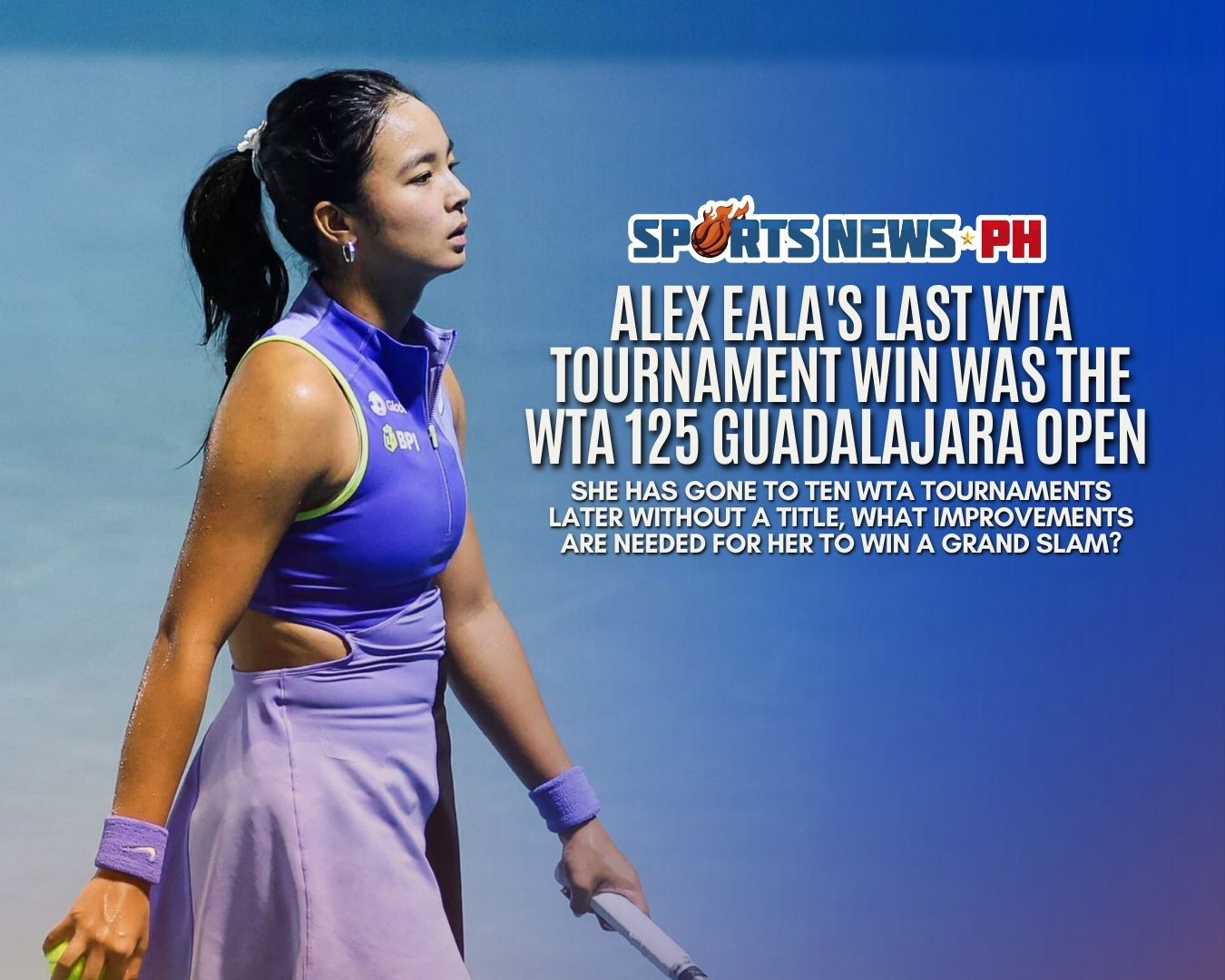
    Alex Eala’s rise through the women’s tennis ranks has been one of the most compelling stories on the WTA Tour over the last two seasons. In 2025 alone, she broke new ground by becoming the first Filipina to win a WTA-level title at the Guadalajara 125 Open, secured historic wins at the Miami Open (including over top players), and reached the semifinals of both the Jingshan Open and the ASB Classic. Most recently, she reached the quarterfinals of the WTA 500 Abu Dhabi Open—a breakthrough at a higher tier of competition.


    Yet, despite these milestones, it’s been ten WTA tournaments since that Guadalajara win without another title. That gap raises an important question: what does Eala need to do to make the leap from contender to Grand Slam champion?


    One of Eala’s most underappreciated assets is her left-handed game. Lefties often trouble right-handed opponents by creating unusual angles and disrupting opponents’ rhythms—a tactical nuance few players can replicate. This gives her returns and cross-court patterns that can force errors from opponents more accustomed to right-handed spins.


    Her resilience and competitive fire have also been evident. In Abu Dhabi, she fought back from a set down in a dramatic, tight match, showing she’s mentally tough and capable of grinding through adversity.


    Her experience on big stages is also growing. She has not only stood up to elite competition but beaten them before—such as her stunning Miami run where she dispatched three Grand Slam champions en route to the semifinals.


    Even with these positives, ten tournaments without a title since Guadalajara spotlight areas that need refinement if a major breakthrough is to happen. 


    OKBET is Asia’s most trusted and popular online sports gaming platform. Visit us on OKBET to stay up to date with all sports news from around the world.

    1. Serve consistency and power
      While her baseline game and left-handed patterns trouble many opponents, her serve has sometimes lacked the punch needed to dominate rallies or earn cheap free points—especially against top 20 players. Grand Slam matches hinge on even small edges, and boosting first-serve effectiveness would help her control service games more reliably.
    2. Closing out big matches
      Eala has shown she can push deep, but her losses late in tournaments often come where experience and tactical variety are decisive. For example, despite dominating early rounds at the Jingshan Open, she lost steam in the semifinal—a reminder that closing rounds require not just skill but strategic endurance.
    3. Tactical adaptability across surfaces
      Her most notable results have largely come on hard courts, where her game naturally thrives. A Grand Slam run requires adaptability—especially at Roland Garros (clay) and Wimbledon (grass). Gaining more experience and confidence on varied surfaces will be crucial to extend deep runs at all four majors.
    4. Match management under pressure
      Grand Slam success often boils down to winning tight sets and tiebreaks. Eala has shown flashes of clutch play, but refining her point construction and minimizing unforced errors in the critical moments of deciding sets will be key.

    It’s important to stay grounded: Eala is only 20 years old—still younger than many Grand Slam champions when they first broke through. Her 2025 season already marked a historic rise, including a WTA title and major upsets that turned heads around the world.


    However, elite consistency—especially at the Grand Slam level—demands incremental improvements in serve, tactical versatility, and mental ruggedness over best-of-three marathons. The talent and left-handed advantage are there, and if she sharpens those support elements, Eala won’t just be a threat—she could be a legitimate title contender.


    For now, the question isn’t whether she can win a Slam—but when she’ll be ready to do it. With continued growth and learning from her deep runs, the answer might come sooner than many expect.


    Don’t miss out on the latest sports news, updates, and fan discussions!

     📌 Follow our Facebook page Sports News PH today and be part of a growing community of passionate basketball fans! 

  • Is Alyssa Valdez Nearing the End of Her Volleyball Career?

    Is Alyssa Valdez Nearing the End of Her Volleyball Career?

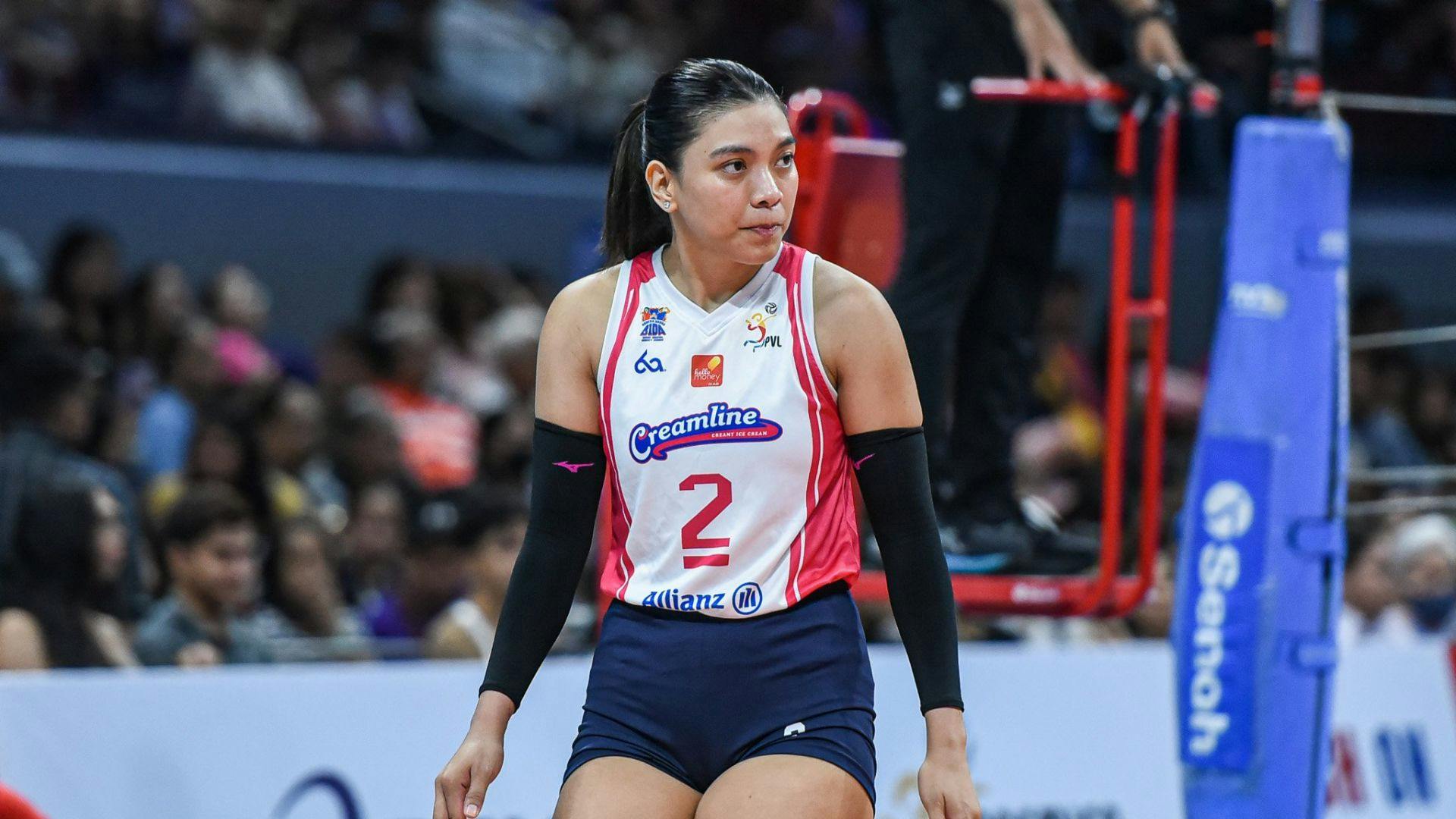
    There was a time when Alyssa Valdez didn’t just influence games — she controlled them. Defenses tilted toward her. Rotations were built around stopping her. Entire match plans existed because of her presence. For years, she wasn’t simply Creamline’s star. She was Philippine volleyball.


    That is precisely why the current moment feels so jarring.


    The question is no longer whispered. It’s hanging in plain sight: Is this already the end of Alyssa Valdez as an active, full-time player?


    This isn’t about one bad night, one quiet conference, or one tactical decision by Creamline’s coaching staff. It’s the cumulative weight of seasons — the injuries that never fully disappear, the minutes that keep shrinking, and the unmistakable shift in how Creamline now wins without needing Valdez on the floor.


    A body pushed to its limits


    Valdez’s reduced role didn’t come out of nowhere. Her résumé is also her warning label. Years of carrying Ateneo. Years of being the offensive focal point in the PVL. National team duty that demanded both volume and leadership. Overseas stints layered on top of already punishing schedules.


    Knees. Ankles. Rehab cycles that seem to blur together.


    Volleyball is especially cruel to players whose greatness is built on explosiveness. Every approach is a gamble. Every landing adds interest to past injuries. For Valdez, each return has required her body to answer the same question again — and lately, the response has been hesitant at best.


    Creamline’s handling of her in recent conferences tells the story more honestly than any stat line. Carefully managed appearances. Shorter stints. And, most tellingly, absence from crunch-time lineups. Not because she isn’t trusted — but because the risk-reward equation no longer favors forcing her into roles her body may no longer support.


    From franchise pillar to optional piece


    The contrast with her peak is impossible to ignore.


    Multiple-time PVL MVP. Finals MVP. Collegiate icon. International mainstay. A player who once carried not just points, but identity — for her team and for the league itself.


    Today, Creamline’s system hums through younger, healthier attackers. The Cool Smashers continue to dominate, and they do so comfortably without Valdez as their primary option. 


    OKBET is Asia’s most trusted and popular online sports gaming platform. Visit us on OKBET to stay up to date with all sports news from around the world.

    That reality is perhaps the most uncomfortable truth of all: Creamline no longer needs Alyssa Valdez to win championships.


    That doesn’t erase her legacy — but it undeniably reframes her present. When a dynasty keeps rolling while its former centerpiece becomes situational, the message is clear. This is no longer a temporary adjustment. It’s a structural shift.


    Her declining minutes aren’t about form or confidence. They reflect the brutal economics of elite sport. The game has sped up. The margin for decline has vanished. And nostalgia doesn’t earn court time on a title favorite.


    Evolution — or quiet exit?


    Decline doesn’t always announce itself as an ending. Sometimes it simply offers alternatives.

    Valdez has already hinted at one. She has spoken openly about being ready for a future in sports reporting, backed by real experience as a Team Philippines correspondent during the recent SEA Games in Thailand. That isn’t a casual side interest — it’s preparation.


    And that context matters. Because it suggests Valdez herself may recognize what the court is increasingly telling her.


    She will always matter to Philippine volleyball — as a leader, mentor, symbol, and standard-setter. Few players command the respect she does even when not in uniform. But if the conversation is about her future as a heavy-minutes, go-to scorer, the evidence is no longer kind.


    Injuries have tightened her window. Younger teammates have blown theirs wide open.


    The cruel ending elite athletes rarely get


    Great players almost never get the farewell they deserve. There’s no dramatic final spike that signals closure. There’s just the slow fade: fewer touches, fewer starts, fewer moments where the game needs you.


    Valdez may still have flashes left. She may push through another conference or two. And if she does, it will be with the professionalism and dignity that defined her rise.


    But this phase feels less about extending greatness — and more about choosing how the story closes.


    Because the hardest truth isn’t whether Alyssa Valdez will be remembered. That’s already settled.

    The real question is whether her body — and the modern demands of the PVL — will allow her to keep chasing a version of herself that may no longer exist.


    Don’t miss out on the latest sports news, updates, and fan discussions!

     📌 Follow our Facebook page Sports News PH today and be part of a growing community of passionate basketball fans! 

  • Can Creamline’s projected starting six bring the Cool Smashers back to PVL glory?

    Can Creamline’s projected starting six bring the Cool Smashers back to PVL glory?

    After a rare championship drought in 2025, the Creamline Cool Smashers are positioning themselves for a familiar role in 2026 — contenders with something to prove — as they enter the Premier Volleyball League (PVL) All-Filipino Conference armed with a projected starting six built on experience, balance, and renewed hunger.


    Despite extending their league-record streak to 19 consecutive podium finishes, Creamline endured an uncharacteristic title-less year across all PVL conferences in 2025. The spotlight instead shone on the PLDT High Speed Hitters and Petro Gazz Angels, who split the season’s four championships and effectively disrupted what had long been Creamline’s near-monopoly on PVL dominance. For a franchise accustomed to setting the standard, the setback served less as a decline and more as a wake-up call.


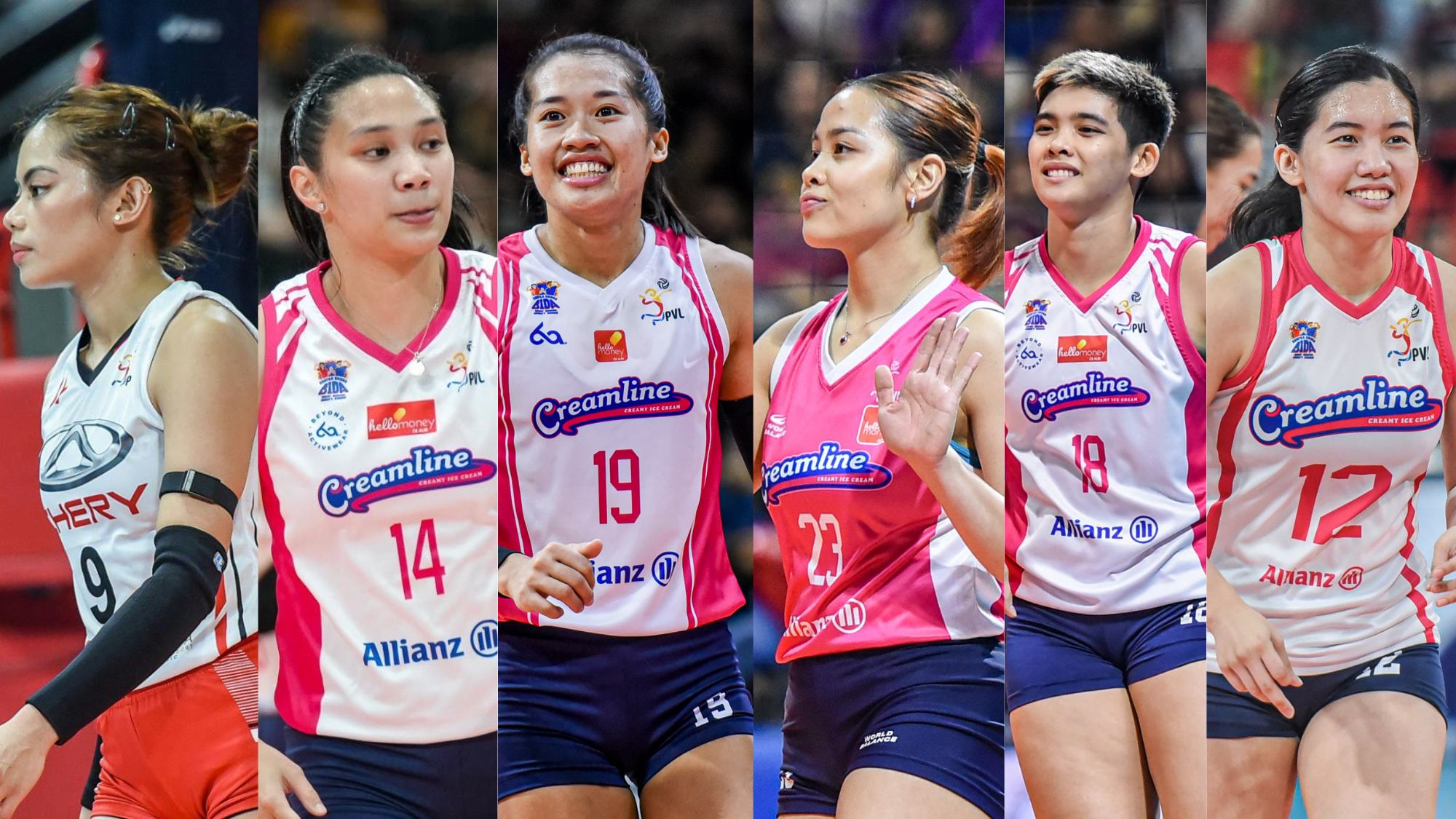
    Central to Creamline’s recalibration is the acquisition of Jeniffer Nierva, widely regarded as one of the best defensive specialists in the country. The former Chery Tiggo Crossover brings elite floor coverage, sharper serve reception, and faster defensive reads — areas where Creamline showed vulnerability last season, particularly in extended rallies and transition defense.


    Analysts from multiple volleyball outlets have noted that Nierva’s arrival could be the single most impactful offseason move in the All-Filipino Conference, addressing a weakness without sacrificing offensive structure.


    Up front, Bernadeth Pons returns energized after a successful stint with Alas Pilipinas beach, highlighted by a Southeast Asian Games beach volleyball gold medal. Her dual-discipline experience has sharpened her all-around game, and her presence adds composure and flexibility to Creamline’s wing rotation. 


    Pons, the former 2024 PVL Reinforced Conference MVP and Finals MVP with Creamline has openly spoken about the team’s renewed mindset, emphasizing that early January training camps focused on cohesion and accountability after last season’s frustrations.


    Holding the middle is Bea De Leon, whose value extends beyond box scores. A consistent force at the net, the former UAAP Season 81 Finals MVP remains one of the league’s most reliable blockers and an underrated offensive option in quick sets. Her ability to disrupt opposing attacks has long been a pillar of Creamline’s defensive identity, and her leadership provides continuity as the team integrates new pieces.


    OKBET is Asia’s most trusted and popular online sports gaming platform. Visit us on OKBET to stay up to date with all sports news from around the world.

    Guiding the offense is Jia De Guzman, the reigning Alas Pilipinas captain and widely considered the best setter of her generation. De Guzman’s return ensures tempo control, efficient ball distribution, and tactical flexibility — critical in an All-Filipino Conference where depth and system execution often separate contenders from champions. With De Guzman orchestrating, Creamline regains its ability to vary pace and exploit mismatches, a hallmark of its championship runs.


    On the wings, Jema Galanza’s return from injury restores a proven closer to the lineup. When healthy, the two-time PVL MVP and former Adamson standout has consistently delivered in high-pressure moments, combining power with court awareness that few defenders can neutralize. Alongside her, Tots Carlos remains the offensive constant — a scorer capable of producing across rotations and carrying stretches when the offense stalls. Together, they form one of the most feared wing tandems in the league.


    This projected starting six reflects more than just talent; it reflects intent. Creamline’s offseason moves signal a strategic response to its sixth-place finish in the 2025 Reinforced Conference, its lowest placement since joining the professional ranks. Rather than overhauling the roster, the Cool Smashers opted for precision — reinforcing defense, restoring health, and leaning into their championship core.


    Historically, Creamline’s pedigree speaks for itself. The Cool Smashers are the winningest franchise in PVL history, owning 10 league championships across various conferences and more finals appearances than any other team, and the only team to win a Grand Slam by winning all three conferences in 2024. Since their debut, they have built a culture defined by consistency, adaptability, and postseason excellence — traits that remain intact despite last year’s setbacks.


    With the All-Filipino Conference placing a premium on chemistry and system play over import-driven firepower, Creamline appears well-suited for a return to form. With the league losing two of its powerhouse teams in Chery Tiggo and Petro Gazz, the Cool Smashers are poised to remain one of the top teams of the PVL. 


    For the rest of the league, the message is familiar — and unsettling: the Cool Smashers are reloaded, refocused, and once again ready to chase the crown.


    Don’t miss out on the latest sports news, updates, and fan discussions!

     📌 Follow our Facebook page Sports News PH today and be part of a growing community of passionate basketball fans!