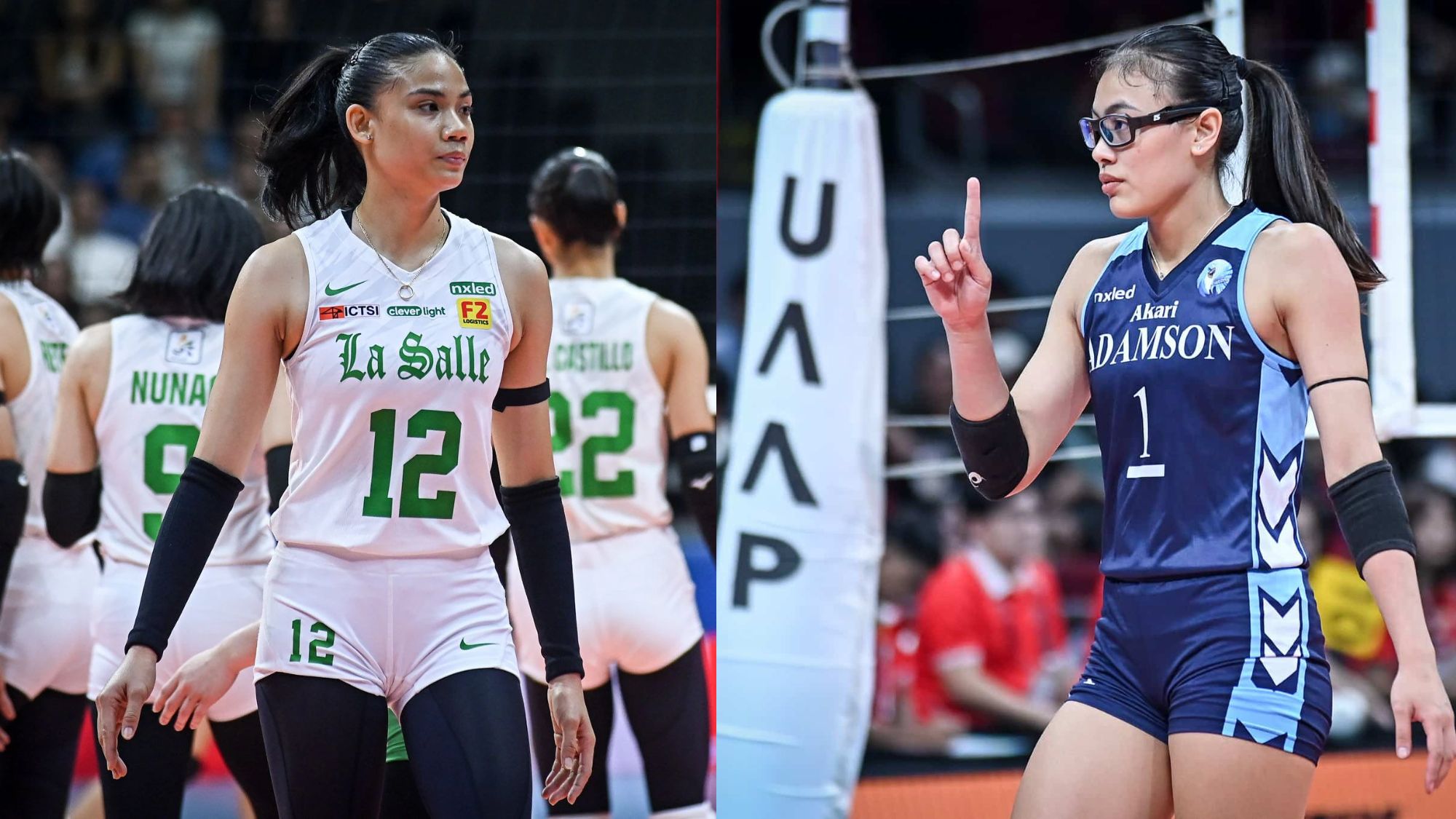
What initially looked like isolated player withdrawals from Alas Pilipinas is beginning to reveal a much deeper issue surrounding the national team program.
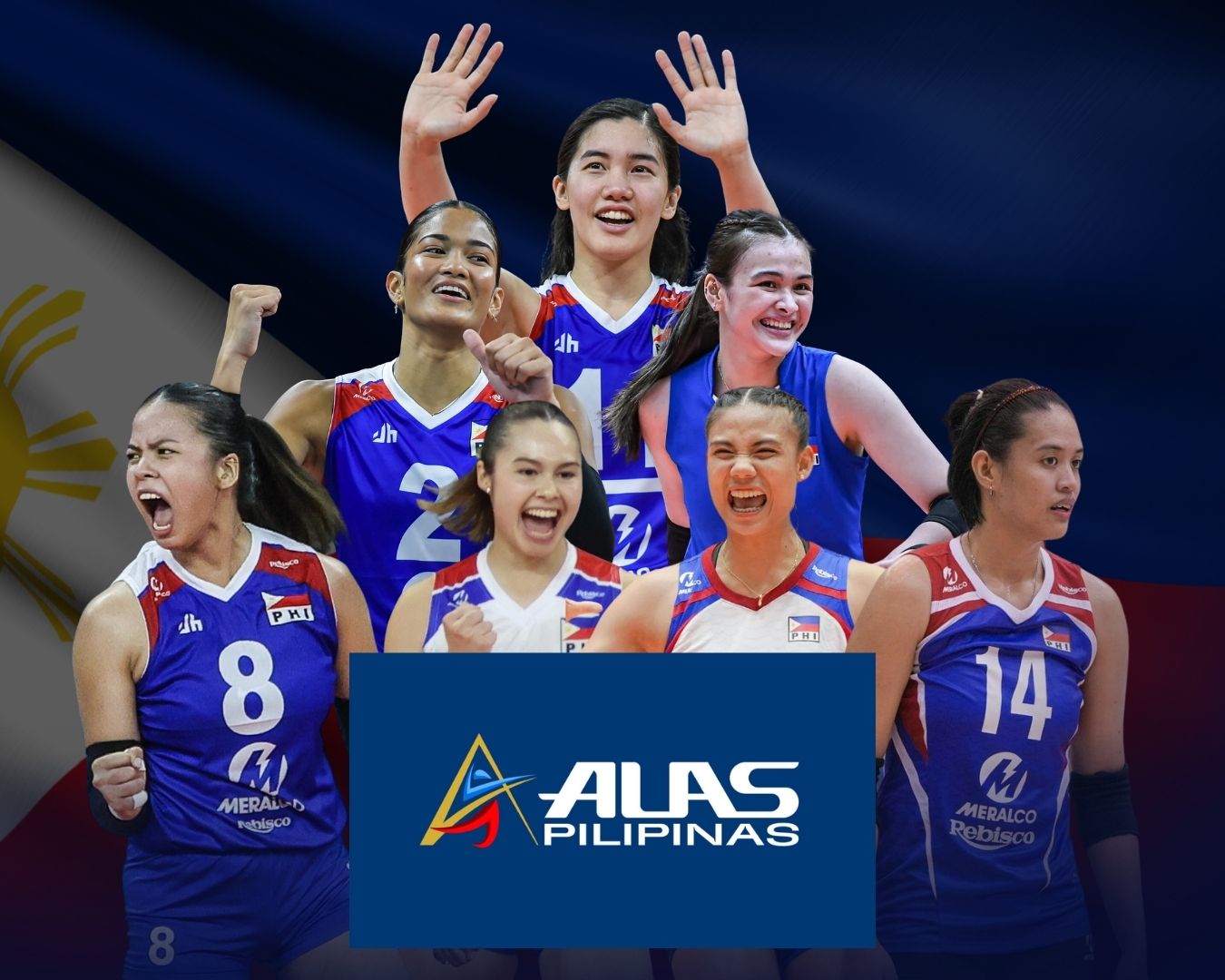
Over the past week, several key names from the Philippines’ recent Southeast Asian Games campaign — including Jia De Guzman, Bella Belen, Alyssa Solomon, Angel Canino, Shevana Laput, and Amie Provido — have all opted to skip the upcoming AVC Women’s Cup in Candon City.
The list has continued to grow.
Erika Santos, Vanie Gandler, Alleiah Malaluan, Kianna Dy, and Shaina Nitura have likewise withdrawn from Alas duties for the 2026 AVC Women’s Nations Cup, according to Tony Boy Liao.
However, Liao clarified that the five players have only begged off from the AVC tournament itself and have not formally declined participation for the rest of the national team calendar, which still includes the training camp in Chinese Taipei and the SEA V.League.
That distinction matters.
Because while the growing number of absences has understandably alarmed fans, the situation may not necessarily point toward a complete disconnect between the players and the national team program. For many athletes, this appears to be more about timing, workload, recovery, and uncertainty surrounding the current setup rather than a full withdrawal from national team service altogether.
Still, it is impossible to ignore how the atmosphere surrounding Alas Pilipinas has become increasingly turbulent over the past several months.
On the surface, the reasons vary. Some players cited physical recovery after a grueling UAAP and PVL calendar. Others are dealing with injuries, professional commitments, or uncertainty surrounding the direction of the program itself.
But when current and former Alas mainstays finally began speaking publicly, a clearer picture started to emerge: many players are not simply exhausted physically — they are also searching for stability, communication, and clarity within the national team setup.
For years, Philippine volleyball players have often been expected to juggle year-round commitments between school, club teams, commercial obligations, and national duty with very little offseason in between. Unlike other countries with centralized programs and longer preparation windows, many local players transition almost immediately from one high-intensity tournament to another.
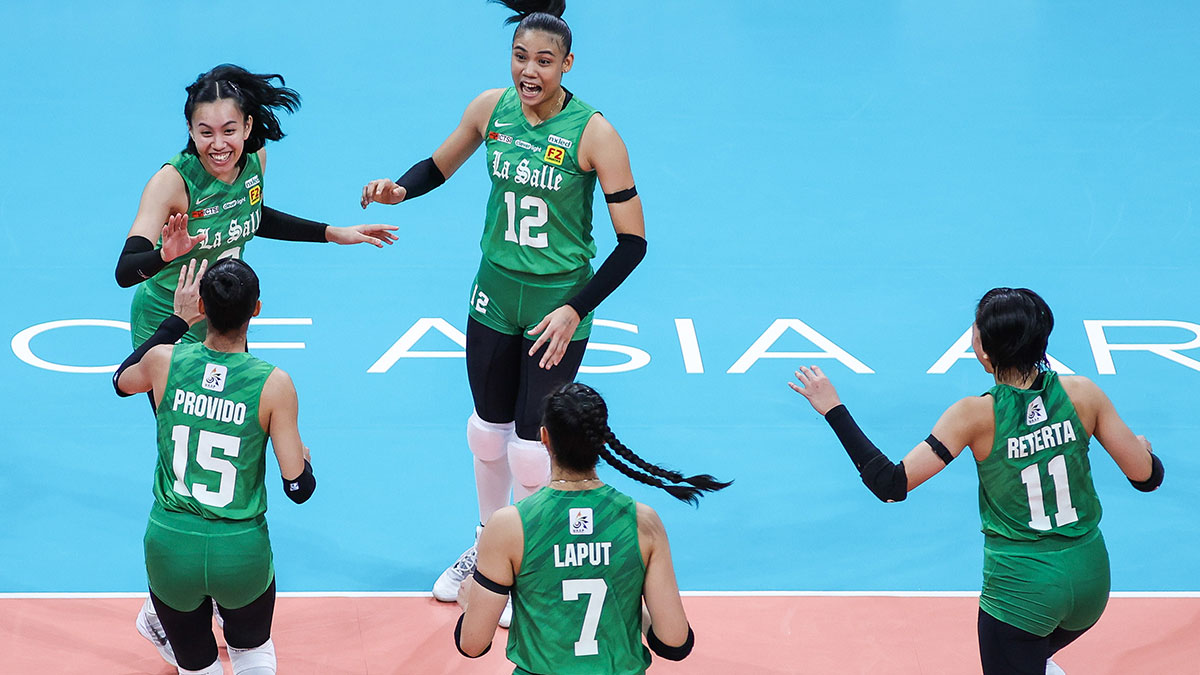
That reality became even more evident after the historic UAAP Season 88 campaign, where De La Salle University completed a rare 16-0 sweep before several Lady Spikers immediately found themselves invited to the national pool.
In explaining their withdrawal, Canino acknowledged that representing the country remains a privilege, but emphasized the importance of recovery after such a physically demanding season.
At the same time, recent statements from Fifi Sharma and De Guzman suggested that the concerns go beyond simple fatigue.
“I hope we continue to spread awareness on everything that’s been happening surrounding the national team,” Sharma wrote on her Instagram broadcast channel.
“This is the closest we’ve ever gotten to having a core and it’s sad to see it fall into the wrong hands.”
The middle blocker also pointed to frustrations that appear to have quietly built up behind the scenes over time.
“It’s difficult to keep giving your all and fighting for something that consistently fails to take care of you,” she said.
“Passion can carry you far but it shouldn’t be used to justify neglect.”
De Guzman echoed similar sentiments while stressing that players were hoping for clearer communication after the transition in leadership within the federation.
“Actually, the current roster, we were actually hoping that the PNVF would share plans with us. Even right after SEA Games kasi, we knew that they took over and we were actually very hopeful na moving forward, the future would be bright,” De Guzman shared.
She also raised concerns regarding the lack of formal communication surrounding future plans for the program.
“It’s just a little saddening that we haven’t heard anything from our managers and that the burden of reaching out actually falls on the players,” she said.
OKBET is Asia’s most trusted and popular online sports gaming platform. Visit us on OKBET to stay up to date with all sports news from around the world.
“That part I don’t really understand. But again, despite this, we also remain open to dialogue. We just hope that it is formal, meaningful, and talaga with a genuine desire to address the needs of the athlete.”
Perhaps the most important point raised by De Guzman involved uncertainty regarding long-term structure — an issue that many national athletes often quietly navigate behind closed doors.
“Right now, there are still so many questions around things like the Alas draft, the recruitment process, and how contracts are to be structured. And as athletes, those are very important details that directly affect our careers,” she added.
Adding another layer to the situation is the unresolved controversy involving former Alas Pilipinas head coach Jorge Souza de Brito.
De Brito has reportedly elevated his dispute with the Philippine National Volleyball Federation to the National Labor Relations Commission over alleged unpaid salaries, bonuses, and illegal deductions.
The Brazilian coach, who helped steer the Philippines to one of its strongest stretches in recent years, publicly expressed frustration over the lack of communication surrounding the matter.
“I worked for the federation, for the flag, for the country,” de Brito said in reports surrounding the case. “Once you terminate someone, you don’t pay and you want to just finish without settling unpaid dues? I don’t think so.”
Current federation leadership has distanced itself from the dispute, with Liao previously saying the issue stemmed from the prior administration.
Even so, the optics of a public labor dispute involving a former national team coach have inevitably added to concerns among players and fans regarding organizational stability and long-term planning inside the program.
The federation has also recently faced scrutiny over broader administrative issues tied to Philippine volleyball, including ongoing questions regarding funding liquidation related to the country’s hosting of the FIVB Men’s World Championship.
To be fair, the PNVF is also navigating an undeniably difficult situation.
The federation has been forced to rebuild the roster on short notice while dealing with player availability concerns, scheduling conflicts, and the absence of newly appointed head coach Tai Bundit following his car accident in Thailand.
National team programs are rarely built overnight, especially in a country where volleyball stakeholders remain spread across collegiate, club, and commercial systems with competing priorities.
The AVC Women’s Cup itself also arrives during a particularly awkward part of the calendar — immediately after the UAAP season, while many PVL teams are simultaneously rebuilding their rosters ahead of the next conference.
In many ways, the current situation reflects growing pains more than outright conflict.
For the first time in years, Philippine women’s volleyball appeared to be building continuity around a legitimate core of young stars. Expectations also grew alongside the program’s recent rise in international competitiveness.
That is precisely why the current wave of withdrawals feels significant.
Not because players no longer care about representing the country — many of them have repeatedly expressed the opposite — but because today’s athletes are beginning to openly ask for a healthier, more organized, and more sustainable national team environment moving forward.
And perhaps that conversation, uncomfortable as it may be right now, could ultimately become necessary for Alas Pilipinas to truly take the next step.
Don’t miss out on the latest sports news, updates, and fan discussions!
 Follow our Facebook page Sports News PH today and be part of a growing community of passionate basketball fans!
#ReadMore
https://t.co/VnymAQZ36y
@justinvalencia_ /Tiebreaker Times#UAAPSeason88 pic.twitter.com/EIT2xbGCaT





 Follow our Facebook page