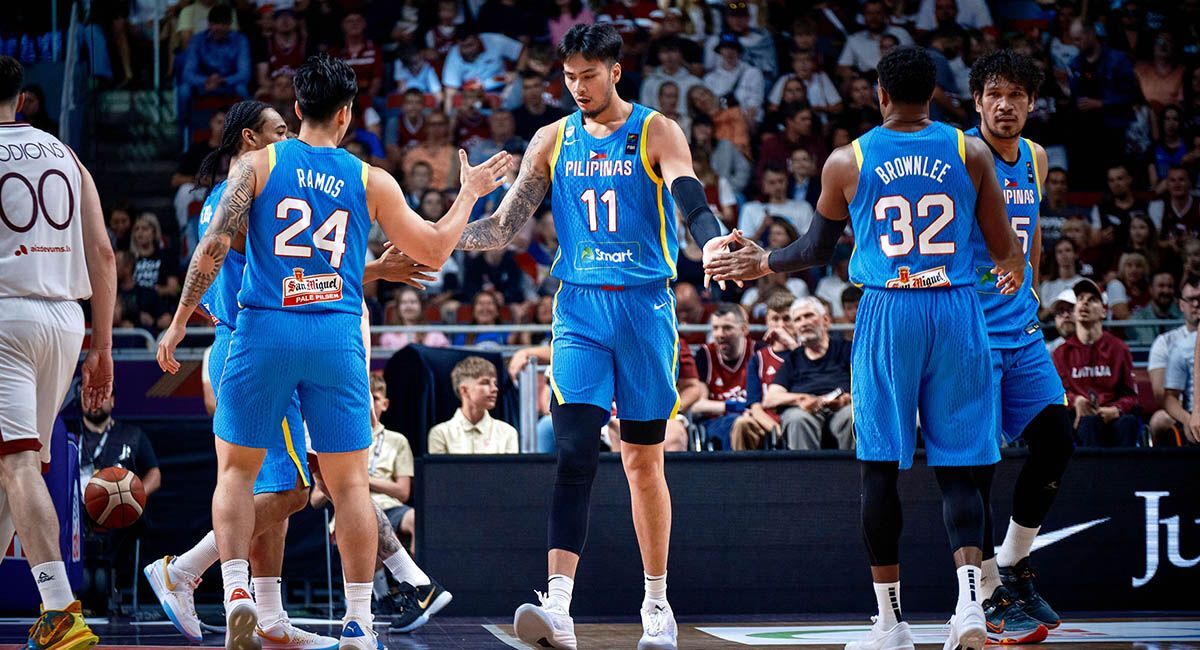
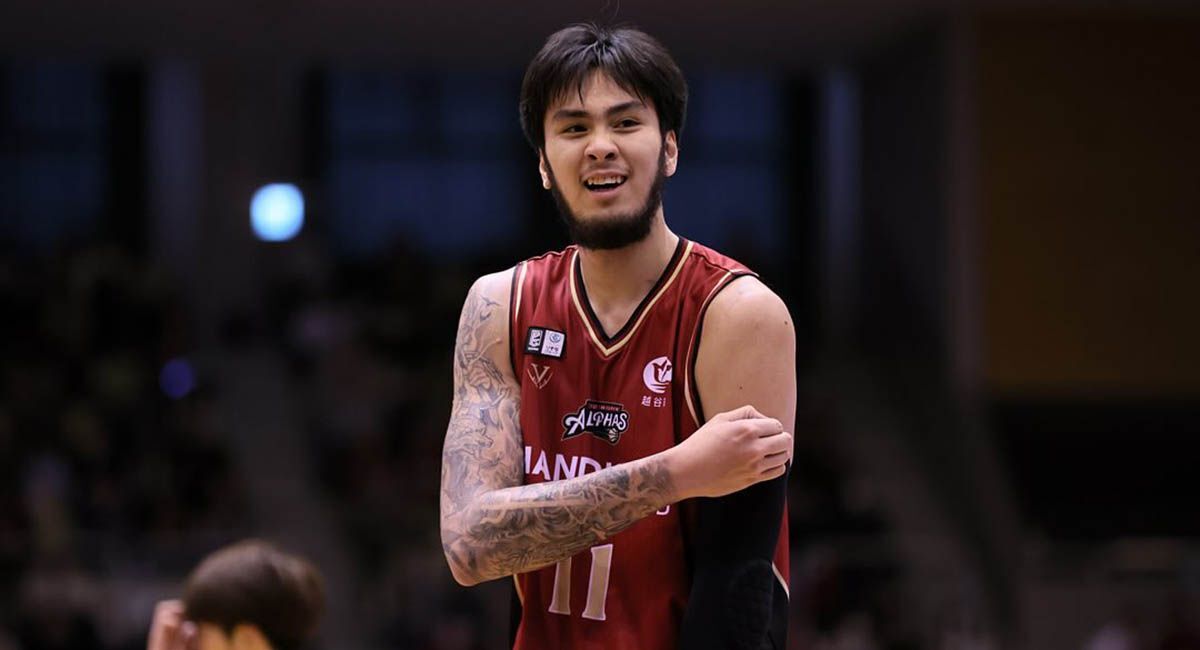
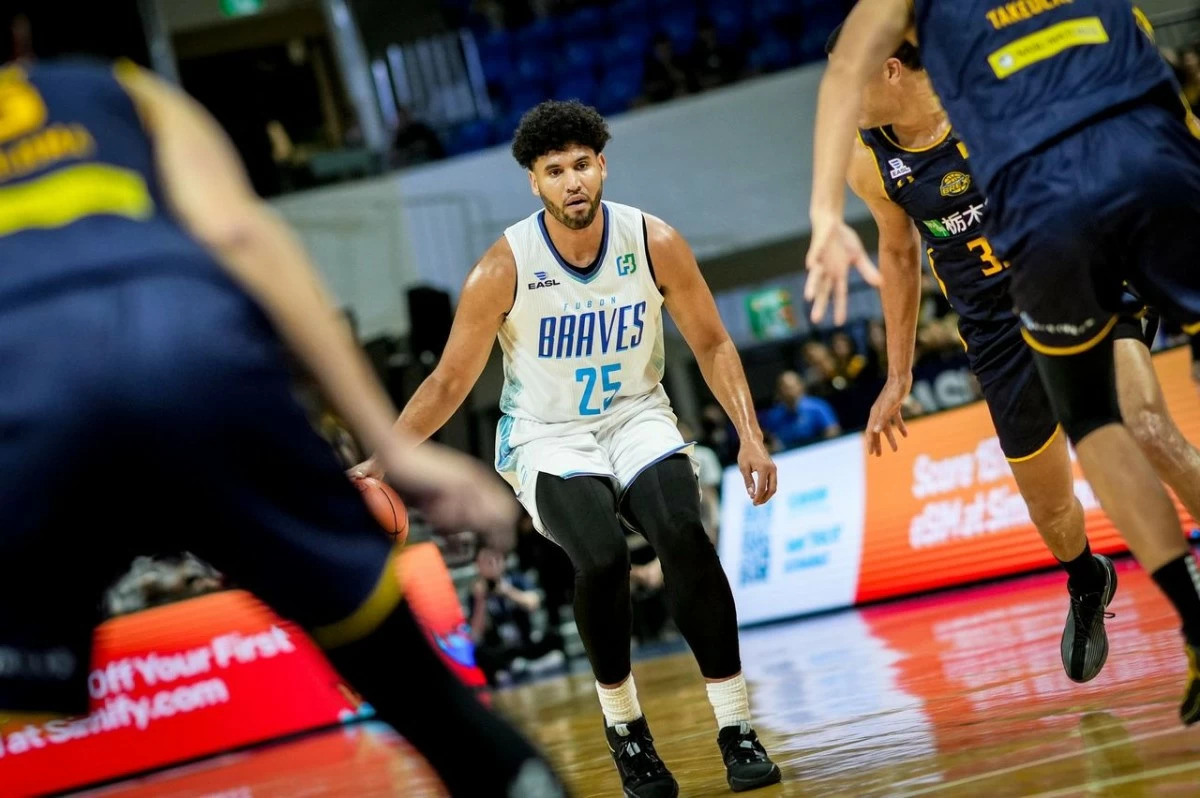
Basketball is undeniably the heartbeat of Philippine sports.
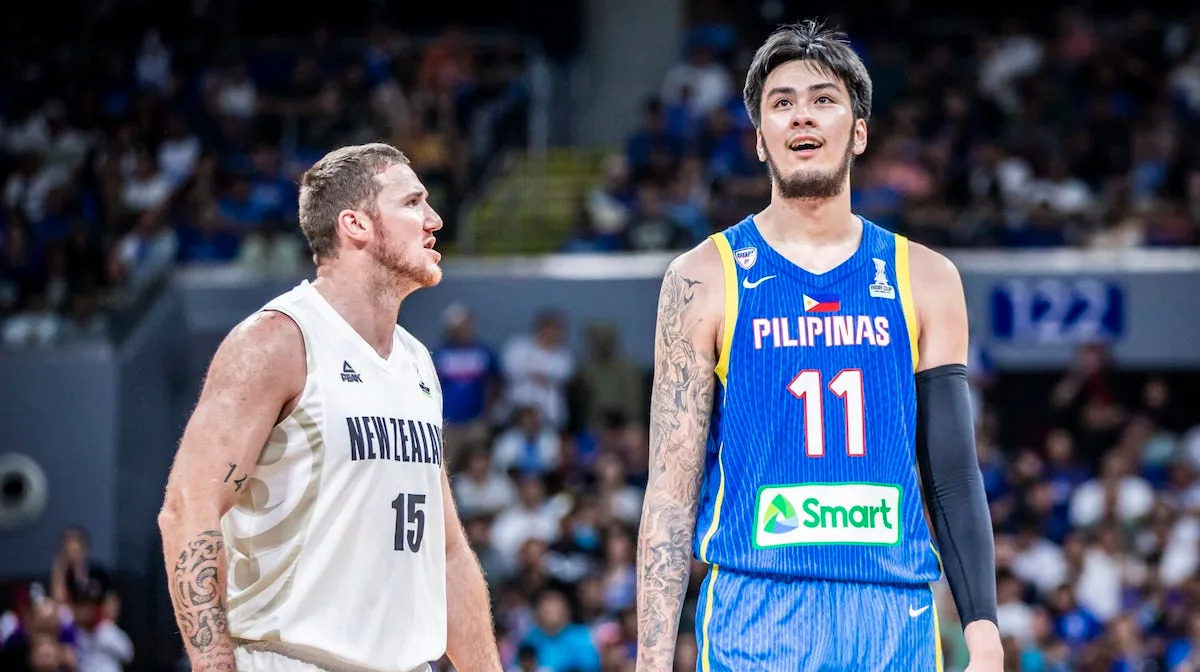
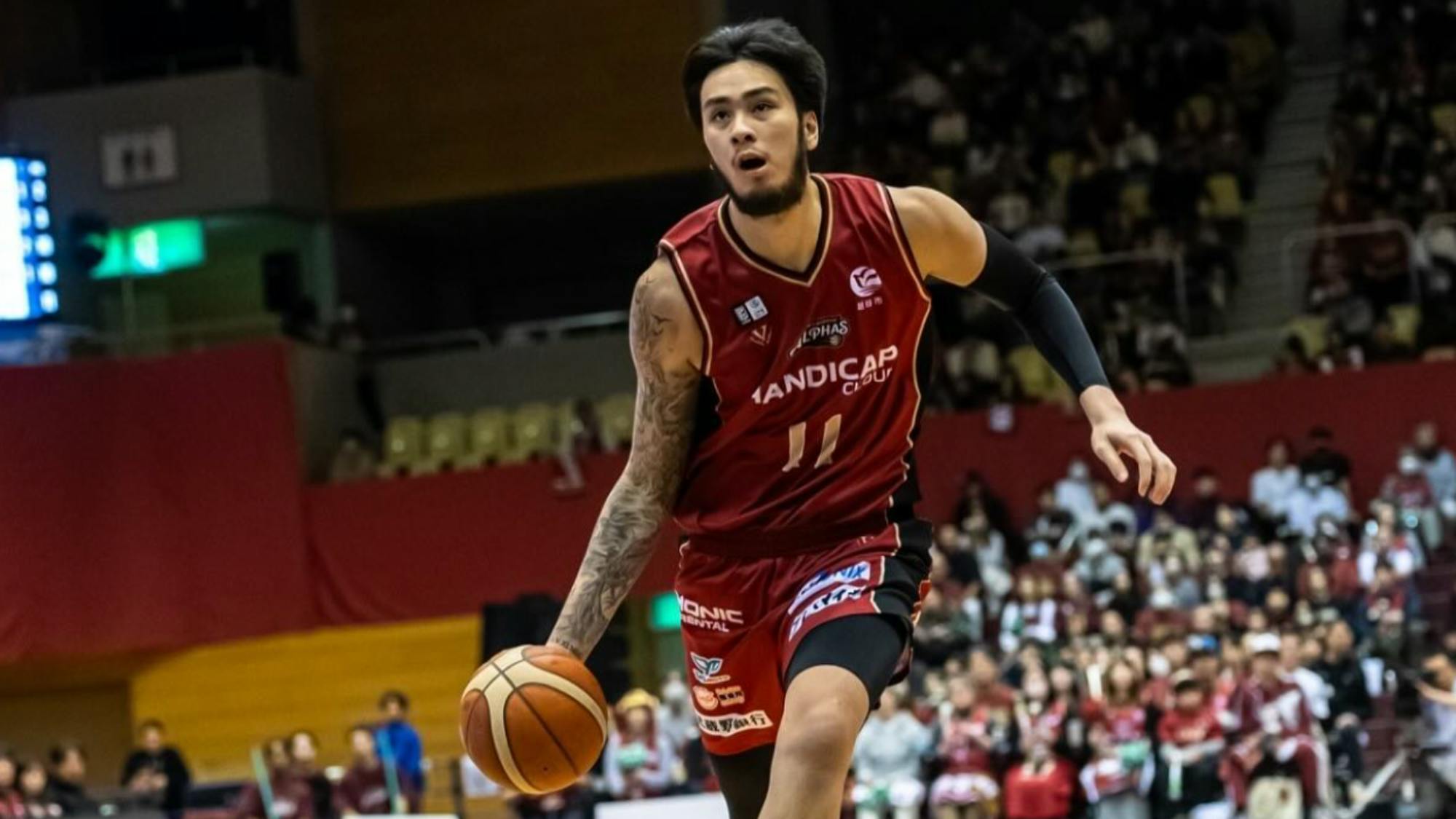
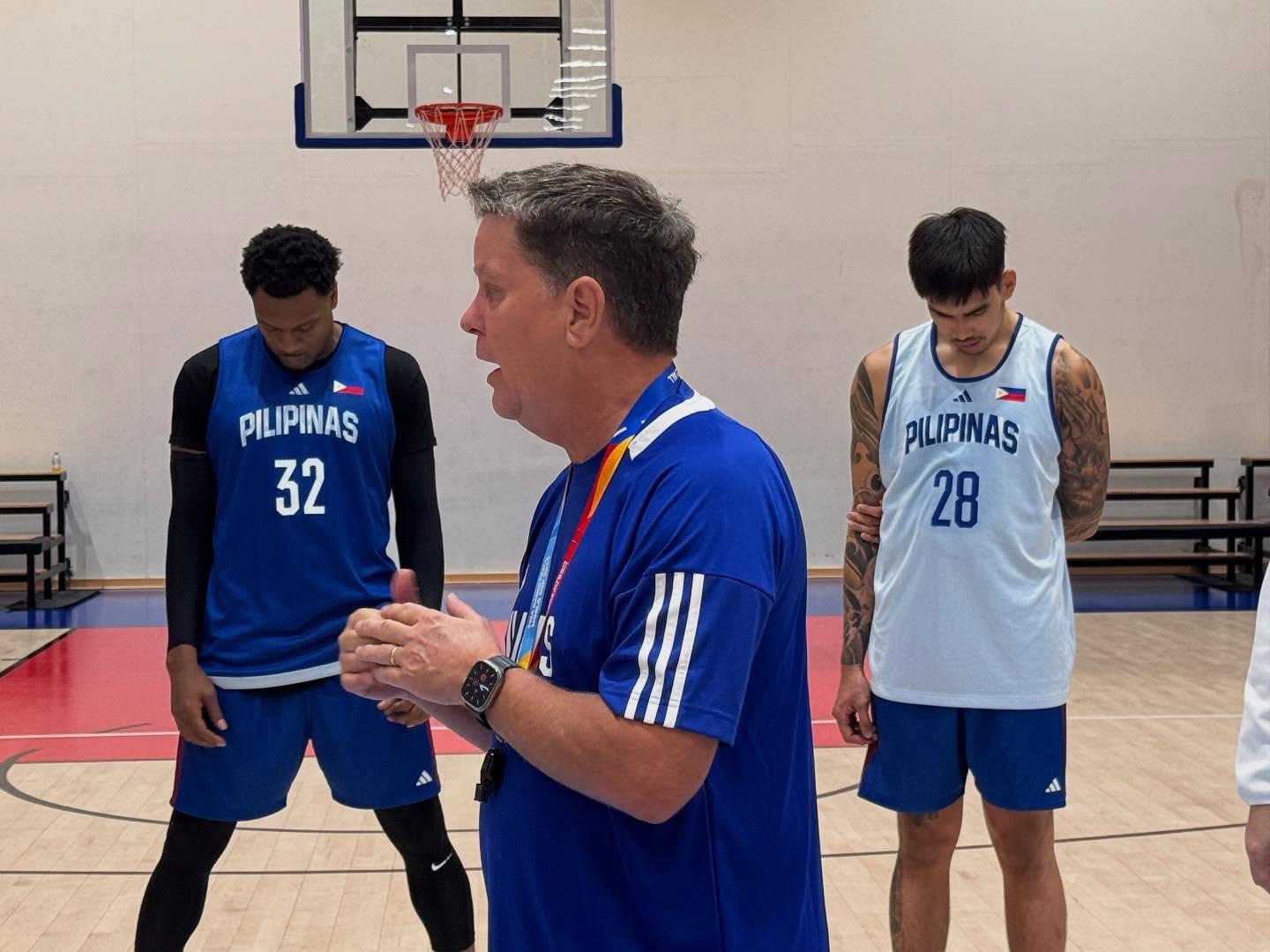
From packed barangay courts to primetime television slots, the game dominates our culture in a way no other sport does. The Philippine Basketball Association remains one of Asia’s oldest professional leagues. Gilas Pilipinas continues to compete fiercely in international tournaments. And to be fair, we are not irrelevant in Asia — far from it.
In fact, the Philippines is consistently considered one of the top basketball nations in Asia. We’ve earned respect on the continental stage. We’ve beaten powerhouses. We’ve produced legends. In Southeast Asia, we’re often the gold standard.
That reality deserves acknowledgment.
But here’s the harder truth: being strong in basketball doesn’t mean we should pour nearly everything into it.
Because while basketball thrives structurally — with funding pipelines, media coverage, sponsorships, and grassroots programs — many of our world-class athletes in other sports are forced to rely on private sponsors, personal funding, and overseas training just to stay competitive.
Take Carlos Yulo. A world champion in gymnastics. A Filipino who has stood atop global podiums in a sport where the margins are razor thin and the competition is relentless. His success wasn’t built on a nationwide gymnastics infrastructure comparable to basketball’s. It required sacrifice, overseas training, and sustained backing that often felt fragile.
Or EJ Obiena, who didn’t just participate internationally — he became one of the world’s elite pole vaulters, competing toe-to-toe with the best in the planet. His journey included public funding disputes and financial uncertainty, even while carrying the Philippine flag on the global stage.
Then there’s Alex Eala, who broke barriers in tennis — a sport historically inaccessible to most Filipinos due to cost. Her development required training abroad, international exposure, and significant private backing. Tennis is not a systemically supported pipeline locally, yet she has managed to push into elite territory.
OKBET is Asia’s most trusted and popular online sports gaming platform. Visit us on OKBET to stay up to date with all sports news from around the world.
HERSTORY WRITTEN IN GOLD
Filipina tennis ace Alex Eala captures her first-ever SEA Games gold medal, defeating Thailand’s Mananchaya Sawangkaew in straight-sets in the women’s singles final at the #SEAGames2025!#2025SEAGames #SEAGames #SEAGamesThailand #TibayAtTatag pic.twitter.com/PnVOCsbrli
— One Sports (@OneSportsPHL) December 18, 2025


And we cannot ignore the rise of Philippine football.
The Philippines women’s national football team — the Filipinas — made history by winning gold in the Southeast Asian Games, proving that with structure and belief, the country can compete beyond basketball. Their World Cup qualification run ignited national pride, yet funding and sustained investment remain inconsistent.
The Philippines men’s national football team, too, has experienced periods of resurgence, building momentum despite limited long-term structural support compared to basketball.
So the question isn’t whether basketball deserves support.
It does.
The question is whether it deserves disproportionate support at the expense of other sports where Filipinos have already proven they can be world-beaters.
Why do we wait for an Olympic medal before scrambling to fund an athlete? Why do many non-basketball stars have to seek corporate sponsors just to afford international competitions? Why do some rely on personal savings, fundraising, or foreign training programs while basketball systems operate with relative stability?
This imbalance isn’t just a funding issue. It’s a mindset issue.
Basketball dominates headlines even when results are routine. Meanwhile, breakthroughs in gymnastics, athletics, tennis, or football often need to be historic before they trend. We celebrate them loudly — briefly — then shift back to the hardwood.
Imagine what would happen if we institutionalized support for multiple sports the way we do basketball. Imagine regional training centers for athletics. Imagine accessible tennis development programs. Imagine a fully funded football grassroots structure nationwide. Imagine athletes not having to choose between representing the country and financial stability.
We are good at basketball in Asia. That is a fact.
But we are capable of being great in more than one sport.
The Philippines does not lack talent. It lacks balanced investment.
Supporting other sports more aggressively is not anti-basketball. It is pro-Filipino excellence. It means recognizing that a country of over 100 million people should not hinge its entire sporting identity on a single game — no matter how beloved it is.
Basketball built our sporting culture. But diversification could build our sporting future. And if we truly want sustained global relevance — not just regional dominance — it’s time to fund that future properly.
Don’t miss out on the latest sports news, updates, and fan discussions!
Don’t miss out on the latest sports news, updates, and fan discussions!
 Follow our Facebook page Sports News PH today and be part of a growing community of passionate basketball fans!